

Pasta Salad, Seat-of-Your-Pants Style
Updated: 7 hours ago

This one isn't a recipe, exactly — it's a method. And that means I will never have made the salad you make. Mine comes out of my fridge: whatever vegetables are around, whatever needs using up. Yours will come out of yours. It's supposed to be different every time.
The way I actually make it: I cook some pasta. I throw in whatever vegetables are around. And over the whole thing goes an avocado dressing I mash together in about five minutes. That's the recipe. It changes every time. It's supposed to.
Here's why the dressing matters: the salt in a pasta salad was never in the pasta. It's in the bottled dressing — a couple of tablespoons of the store-bought kind can carry a few hundred milligrams before the salad even starts. My avocado dressing — avocado mashed with lime, a little olive oil, garlic, and herbs — runs about 5mg a serving, and the whole salad lands around 30mg a serving. Same bowl. Same lunch. The salt just never got invited.
So this one isn't a recipe, exactly. It's a formula — my formula. Build it in this order and it works with whatever you have.
The formula
1. Pick a base: pasta — or rice, quinoa, lettuce cups, or a bed of greens. Skip the pasta entirely and build it on the greens, and the same formula is a green leafy salad instead.
2. Pick a protein: chicken, beans, lentils, chickpeas, beef. (Canned beans: no-salt-added, always.)
3. Vegetables, your way — frozen or fresh: corn, sweet potato, butternut squash, cherry tomatoes, snow peas, broccoli.
Also try:
Frozen-friendly: zucchini, peas, green beans, cauliflower
Fresh and crunchy: cucumber, bell pepper, radish, red onion, cabbage
A note from my kitchen: the frozen vegetables work great steamed. Toss them in warm and the pasta salad becomes a warm pasta salad — or steam them, put the bowl back in the fridge, and you have salad fixings all week. The fresh ones work better in the green salad.
4. Pick a dressing (three choices — plenty of people don't like avocado):
Avocado-lime (my way):
avocado mashed with lime,
olive oil,
garlic,
and herbs — about 5mg a serving
Lemon-herb sour cream: creamy, and the lighter-potassium creamy option
Olive oil + lemon + garlic + herbs: the lightest one
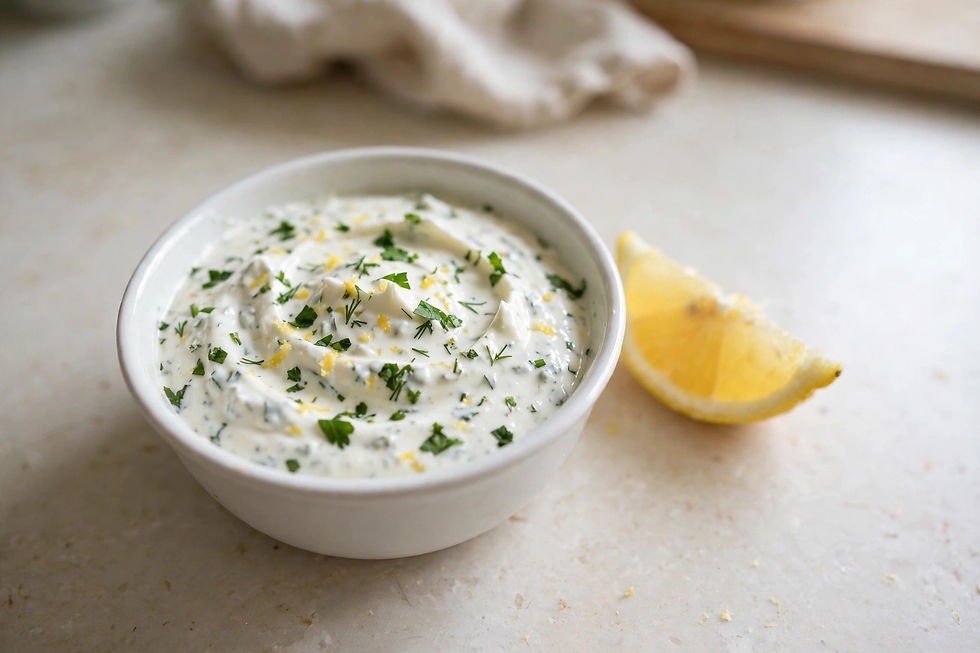
Lemon-Herb Sour Cream Dressing:
½ cup sour cream
2 tablespoons lemon juice
1 teaspoon lemon zest
1 small garlic clove, grated (or ¼ teaspoon garlic powder)
2 tablespoons chopped fresh herbs — dill, parsley, or chives
black pepper to taste.
Whisk together, chill at least half an hour. Makes about ⅔ cup — roughly 10mg of sodium in 2 tablespoons.
Olive Oil & Lemon Vinaigrette:
¼ cup olive oil
2 tablespoons lemon juice
1 teaspoon lemon zest
1 small garlic clove, grated
1 tablespoon chopped fresh herbs (or 1 teaspoon dried)
black pepper to taste
a pinch of sugar or a drizzle of date syrup if you want the edge off the lemon (optional).
Whisk or shake in a jar. Sodium: next to nothing.

5. Toppings: fresh herbs; lemon or lime zest; a sprinkle of fresh-grated Parmesan; toasted unsalted nuts or seeds; a spoon of chili crisp; salt-free everything seasoning.
A potassium note, cook to cook: my version — avocado, sweet potato, butternut squash — is potassium-rich, which is fine at my table. If you watch potassium, lean on the fresh-and-crunchy vegetables and the vinaigrette, and know that swapping the dressing alone doesn't make the bowl low-potassium; the vegetables do that. Read your labels, know your numbers, and check with your doctor about what's right for you.
It changes every time. It's supposed to.
Save This Recipe
I keep every one of my recipes in Plan to Eat — it's where I plan my week, and it's where I cook from. Save this recipe to your own Plan to Eat and it's in your kitchen for good: no printing it out, no hunting through screenshots a month from now.
Click here to save this recipe to Plan to Eat
Save it in Plan to Eat → I plan my own meals with Plan to Eat. If you try it through my link, you get 20% off your first year and I earn a small commission.
Comments